
Nicholas Ramsingh Blog
 RSS Feed
Subscribe and receive email notifications of new blog posts.
RSS Feed
- 2026 | 9 Posts
- 2025 | 48 Posts
- 2024 | 47 Posts
- 2023 | 48 Posts
- 2022 | 48 Posts
- 2021 | 26 Posts
- 2020 | 53 Posts
- 2019 | 55 Posts
- 2018 | 27 Posts
Agent Promotion | 1 Posts
Agent Spotlight | 1 Posts
Awards | 1 Posts
Buy a Home | 1 Posts
Laffey Knows | 334 Posts
Laffey Real Estate | 1 Posts
Outside the Box | 22 Posts
May
27
27
Upgrade Your Backyard: Should You Add a Pool or Hot Tub?
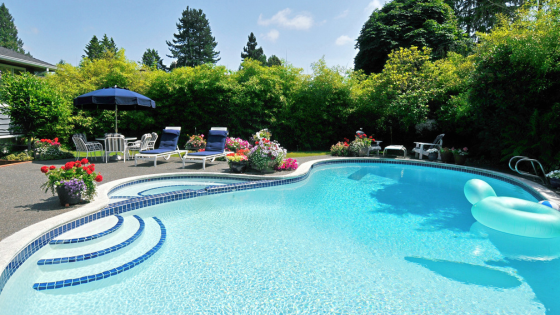
As Long Island's weather gets warmer, many homeowners think about improving their outdoor spaces with water features for fun and relaxation. Our REALTORS® at Laffey Real Estate often get questions about the pros and cons of adding pools or hot tubs to homes.
- Investment Considerations
Installing a water feature on your property is a big investment that needs careful money planning. In-ground pools cost between $50,000 and $100,000, based on their size, materials, and extras. Above-ground pools start at about $5,000. Hot tubs need less money upfront, with good models costing $3,000 to $15,000 when set up. Besides the setup, you need to think about ongoing upkeep costs like chemicals, power use, and possible fixes. While pools might add 5-8% to your home's value, they can make it much more appealing in high-end markets or waterfront areas common on Long Island. - Space Requirements and Layout
The size and layout of your property have a big impact on whether water features are possible. You need a lot of room for inground pools—at least 400 square feet plus extra space for a deck—and the ground must be flat to install them. Hot tubs don't need as much space, often just 30-50 square feet, so they work well in smaller yards or specific areas of bigger properties. Think about how adding a water feature will change the way you use your outdoor space, making sure you still have enough room for other activities and get-togethers. Putting your water feature in the right spot can create eye-catching areas that make your whole landscape look better instead of taking over the entire yard. - Lifestyle Alignment
The ideal water feature fits your lifestyle and how you like to spend your free time. Pools give families many ways to have fun, work out, and host big parties. Hot tubs are great all year for health benefits, small get-togethers, and unwinding, plus they're easier to take care of. Think about how often you'll use each one based on your weather, daily routine, and who lives with you. On Long Island, the changing seasons mean you can enjoy hot tubs pretty much all year, while pools are usually fun from late May to early October, depending on how you heat them. - Maintenance Requirements
A clear understanding of upkeep responsibilities helps you avoid future headaches. Pools need regular cleaning, balancing of chemicals, upkeep of equipment, and yearly opening and closing procedures. These tasks can take up several hours each week or require you to hire professionals, which costs about $1,200-$2,000 per year. Hot tubs usually need less work but still require you to treat the water, clean the filter, and empty them now and then. Think about whether you want to do these jobs yourself or set aside money for professional help. High-tech systems can make upkeep easier but increase your initial costs and replacement expenses over time. - Environmental Factors
Long Island's climate has an impact on water feature planning. Wind patterns affect water temperature and how fast water evaporates, while being close to the coast might mean you need different chemicals because of salt in the air. Saving energy is crucial as utility bills go up; new pump systems, good insulation, and high-quality covers help to cut down on running costs. Solar heating is a green option that fits with the trend of making homes more eco-friendly. When you're planning, you must follow New York's rules about fences, barriers, and safety features. - Aesthetic Integration
Water features that work best match your house's style and fit in with your current landscaping. Modern homes look great with pools that have straight lines and simple surroundings. Older-style houses often go well with more natural-looking pools and landscaping. When picking materials for the deck, edges, and area around the pool, make sure they blend with your house and the water feature. Getting help from a pro in landscape design can make sure your new addition makes your property look better, not worse. This might even bump up its value if you decide to sell. - Permitting and Regulations
Getting a handle on Long Island's town rules is a key first step in your planning. Most towns require you to get permits for pools and hot tubs. They have specific rules about fences, safety barriers, electrical hookups, and how far you need to build from property lines. If you're part of a homeowners association, you might face extra limits on size, style, and where you can put your pool or tub. When you hire pros to install, they take care of getting permits and setting up inspections. But remember, it's still your job to know and follow all the local rules. If you don't get the right permissions, you could end up paying big fines or even have to tear everything down.
Whether you're making your current property better or looking for Oyster Bay homes for sale that already have water features, thinking about these things ensures your investment fits both what you need in your daily life and your long-term goals for real estate. Contact us at Laffey Real Estate for advice just for you on how water features might affect your property's value in today's ever-changing Long Island market.